
Pollen Friendly Garden: Attract Bees, Butterflies & Wildlife
|
Time to read 5 min
|
Time to read 5 min
If you have ever stood at the kitchen window watching a bumblebee do lazy laps around a neglected patch of lavender, you already understand the charm of a pollen friendly garden. It is one of the most rewarding things you can do with your outdoor space, and the good news is, it does not take acres of land or a horticulture degree to pull off.
Whether you have a patio, a courtyard or full-sized lawn, you can transform your plot into a buzzing, fluttering, all you can eat buffet that supports UK wildlife and looks fabulous whilst doing it.
A pollen friendly garden is any outdoor space designed to support bees, butterflies, moths, hoverflies and other hardworking pollinators. It’s all about choosing nectar-rich flowers that bloom across the seasons, creating pockets of shelter for insects and larger wildlife, and steering clear of pesticides that disrupt the local food chain.
Get it right and you’ll boost your plants, support your local ecosystem, and make your garden a far more interesting place to be. Best of all, you don’t need a PhD in horticulture, just a few smart choices and a willingness to let nature do its thing.
The trick to a pollen friendly garden is to plant for the whole season, not just a single summer showstopper. Pollinators are on the go from early spring right through to late autumn, and they need feeding every step of the way. Think of it as a rolling buffet, or as the Wildlife Trusts call it, a nectar café, by choosing flowers that take turns to bloom throughout the year.
The Wildlife Trusts guide to the best plants for bees and pollinators
A few dependable pollen friendly garden picks for each stage:
Native wildflowers deserve a starring role in a pollen friendly garden too. Ox-eye daisies, field scabious, red campion and foxgloves all punch well above their weight when it comes to supporting UK pollinators, and they look right at home in a more relaxed border.
If you have space for a herb patch, even better. Thyme, oregano, rosemary, chives and mint are all magnets for bees and butterflies once they flower, and they provide a steady supply of ingredients for the kitchen.
When it comes to planting a pollen friendly garden, go bold. Plant in clusters or drifts rather than dotting singles around. Pollinators spot generous swathes of colour and scent far more easily, so a drift of lavender or verbena will pull in far more attention than the same number of plants spread thinly across the plot.
Once the pollinators arrive, the rest tends to follow. Insects feed birds, birds bring movement and song, and small mammals like hedgehogs will pass through if your garden connects to others. A few easy wins for attracting broader wildlife to your pollen friendly garden:
This is where many people fall short. You’ve got the plants, the colour, the buzz... But where’s the water? Bees need water just like anything else. Butterflies drink from damp ground. Hedgehogs, birds and garden wildlife all need a reliable source, especially in a dry UK summer.
A shallow dish filled with pebbles and topped up with fresh water is enough to get you started. For a full wildlife pond, even something the size of a washing-up bowl sunk into the ground will be colonised by insects within weeks.
Once you are regularly watering plants, pots and wildlife dishes, the weak link becomes the kit itself. The connectors most of us grew up using rely on small internal teeth that wear down, snap and pop off under pressure. Nothing quite ruins a careful morning of watering like spraying yourself in the face, flattening a patch of newly planted primroses, or watching your connector fire off and flood the patio which wastes valuable water.
At Qwickhose, we designed the JawGrip mechanism to solve exactly that. Rather than fragile teeth, JawGrip uses a clamping jaw that grips uniformly across the hose wall, engineered to resist the pop-offs that plague traditional connectors. When you are moving a hose around delicate planting, you want it to stay where you put it. Our secure hose connectors range is built for that.
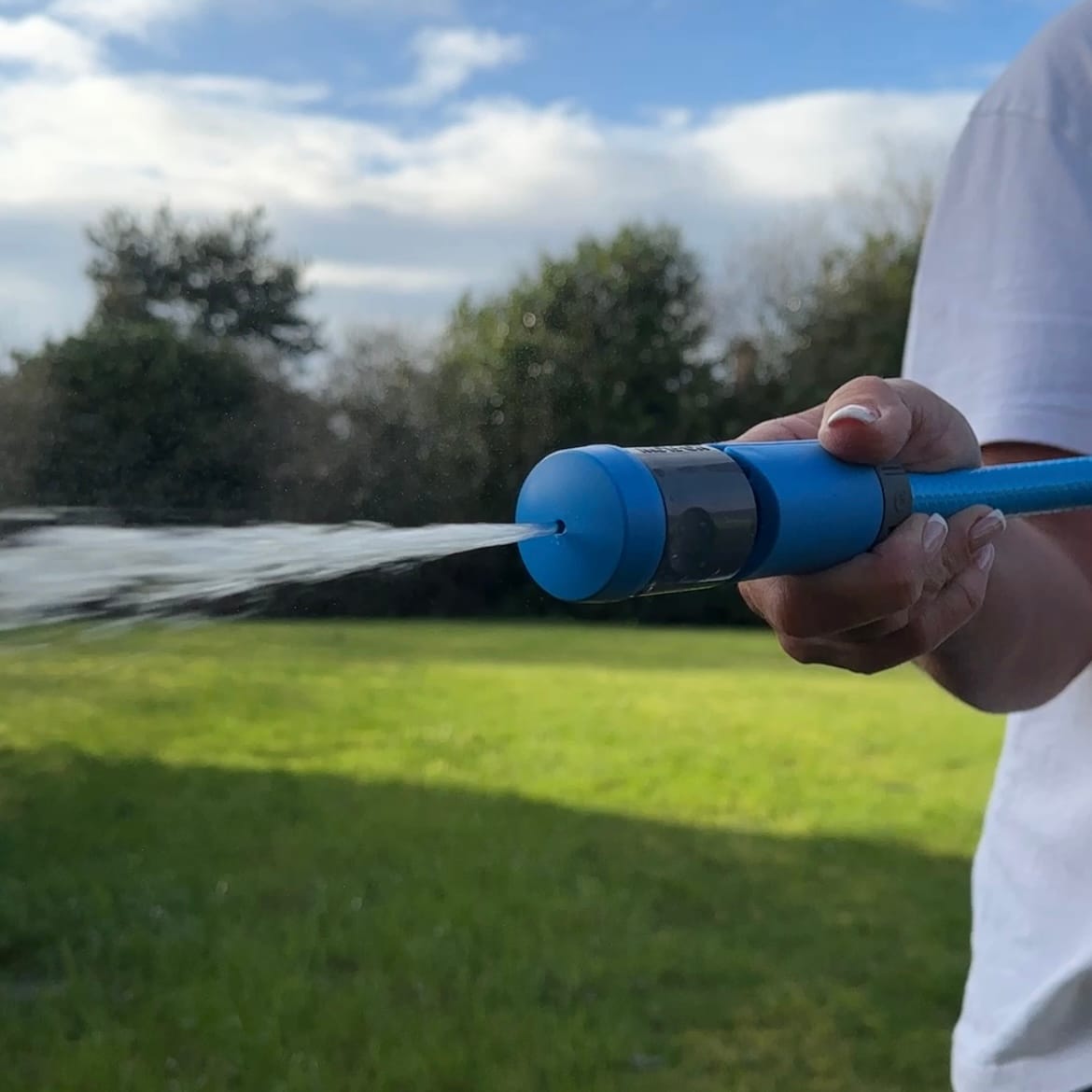
For the planting itself, a gentle touch matters. The Nozzle Spray End delivers a softer shower that will not batter seedlings or flatten wildflower patches, and the Mini Spray Heads Set is ideal for targeted watering around pots, containers and nectar beds. If you are setting up from scratch, the Qwickhose Starter Set gives you the complete essentials in one go.
You do not need a country estate to create a pollen friendly garden. A well-planted balcony, a window box of herbs, or a single pot of lavender and verbena will bring pollinators in. UK gardens, taken together, cover a vast area of the country, and every small plot adds up.
Start with one season, one border or one pot. Add a water source. Skip the pesticides. By next year, you will notice the difference.
Creating a pollen friendly garden isn’t about perfection, it’s about intention.
A few thoughtful choices can transform your space into a haven for bees, butterflies and all sorts of wildlife. A thriving wildlife garden is really a series of small, joined-up decisions: what you plant, how you water, and what you leave alone. In a pollen friendly garden the rest tends to take care of itself.
If you want more practical UK gardening guides, straight-talking watering advice and early access to new Qwickhose kit, join our mailing list. We are a family-run UK brand making gardening gear that actually works, and we share what works with our list first.

Address
The Barn (Unit 3)
Manor Farm Office Village
Flexford Road
Southampton
SO52 9DF
Contact Us
Shopping
Payments
Support
Legal

© 2026 Qwickhose Ltd | VAT NO. 883 904 488 | QWICKHOSE® / JawGrip™ are trademarks owned by Qwickhose


