
Get Your Garden Winter Ready: Essential Jobs
|
Time to read 4 min
|
Time to read 4 min
As the days draw in and temperatures begin to drop, it’s time to start preparing your garden for the winter months ahead. Whether you have a large garden, a small patio or a cosy courtyard, our guide will help you get your garden winter ready and protect your outdoor space throughout the colder months.
Frost doesn't send a warning. One cold night can turn a tender plant to mush and split the hose you left coiled by the tap. The good news is that you can get your garden winter ready in a few short sessions, and most jobs take under an hour. Here's what to do, in a sensible order, and why each job is worth your Saturday.

Getting your garden winter ready means cleaning down and covering or storing away your garden furniture, protecting items and plants that could be damaged by frost, clearing away debris that may rot or harbour pests and storing anything that shouldn’t be left outside. In practice, this means moving tender plants under cover, clearing fallen leaves and spent crops, giving your lawn some attention, cleaning your tools and water butts, and draining and storing your garden hose and attachments before the first hard frost.
Treat this as your essential autumn garden job guide. If you want the full leaf-clearing and borders rundown, our 10 autumn do's and don'ts
Frost can arrive from mid to late October, depending on where you live, so start with the plants that can't take it. Lift tender perennials such as cannas, dry the tubers off and store them somewhere cool and dark until spring. Bring potted citrus, fuchsias and tropicals under cover, keeping them cool but frost free.
Plants that stay outside need a little armour. Wrap banana plants and tree ferns in fleece or straw, and lift pots onto feet so water can drain away. Keeping roots dry makes a real difference to winter survival, which is why the National Trust recommends moving potted tender plants somewhere sheltered. Empty any ceramic pots that aren't frost proof and store them in the shed.
Rake fallen leaves off lawns, paths and borders, then collect them in a compost heap or bin to rot down. Clear out gutters, including those on your greenhouse, to help rainwater flow freely into your water butt. While you’re at it, give the water butt a clean so it’s ready to collect the autumn rain.
The Gardeners' World October checklist also suggests an autumn lawn feed, plus spiking compacted patches and brushing grit into the holes to help drainage.
Resist the urge to strip every border bare. Dry stems and seedheads on perennials give insects somewhere to overwinter and birds something to eat. Do clear spent veg crops and perennial weeds, which harbour pests and disease, and build a log pile at the back of a border for wildlife.

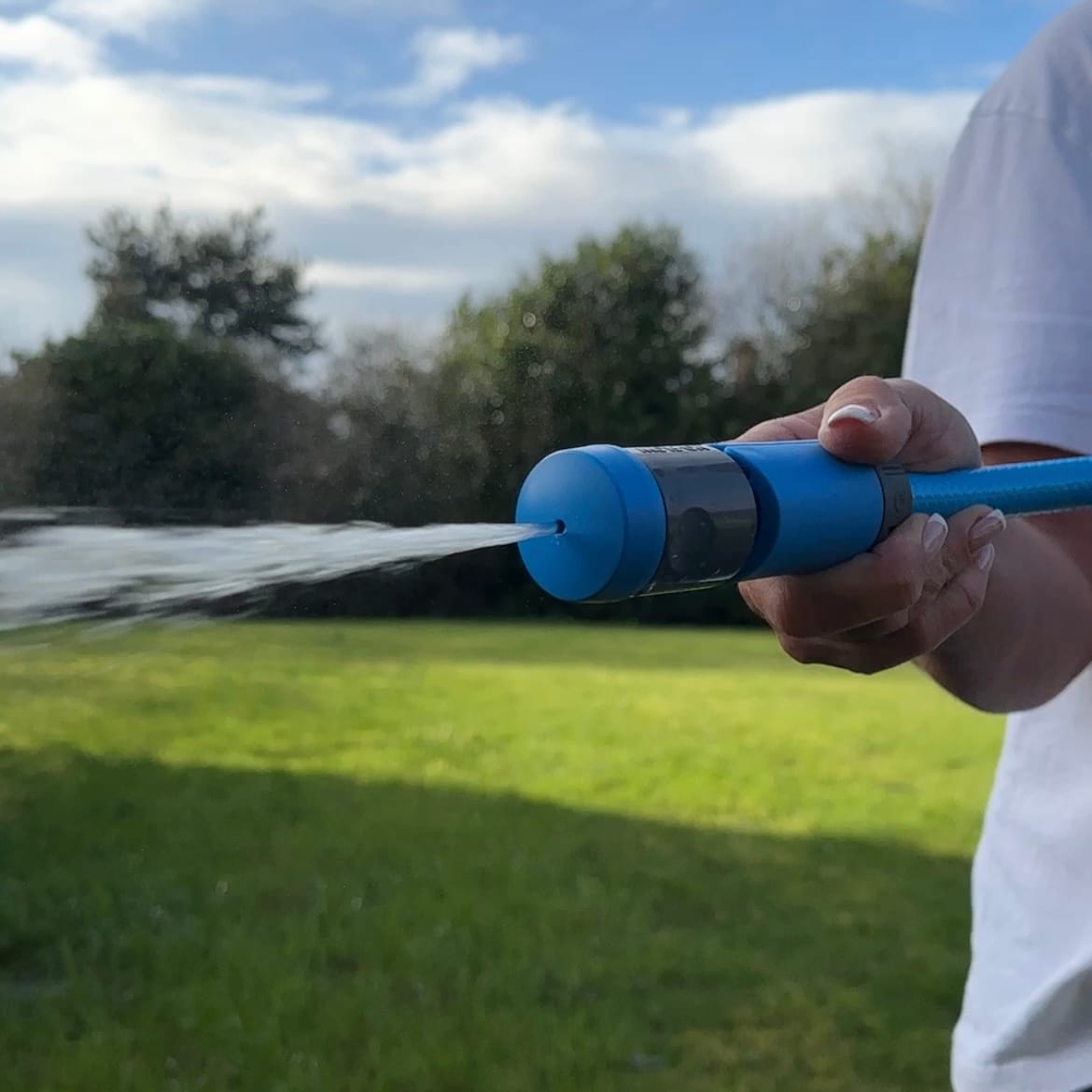
This is the one winter job that’s easy to overlook, but skipping it often costs you money. Water left inside a hose, connector or spray head can freeze and expand, causing components to crack or split. That's why the same Gardeners' World checklist says to collect hoses and drip systems and store them indoors over winter.
Start by disconnecting the hose from the outside tap and draining out as much water as possible. Lift the hose along its length to help the remaining water escape, empty any attachments, then coil everything up somewhere dry and frost free. Don’t forget your outside tap either. The National Trust advises that, where possible, you isolate and drain the supply to outside taps, or fit a tap cover and insulate exposed pipes.
It's also the perfect moment to look at your connectors. Traditional hose connectors use small internal teeth to grip the hose, which can wear, bend or perish over time, potentially causing leaks or causing the hose to pop off under pressure. JawGrip takes a different approach: its two-part clamping jaw closes around the hose, rather than relying on the small internal ring of teeth. The design is intended to give a more secure, even grip, to resist the pop-offs commonly associated with traditional connectors.
Starting from scratch? The Starter Set bundles the Original and No-Flow JawGrip connectors, a 3/4" tap connector, a Nozzle Spray End and a wall mount hose hanger, so your hose gets a proper home off the ground.
A little maintenance before winter sets in can help protect your watering equipment, preventing avoidable replacements and leaving everything ready to use when spring arrives.

Autumn soil is still warm, which makes it a good time to plant. Push spring bulbs into lawns and borders, put garlic cloves in a sunny, well-drained spot, sow hardy broad beans and peas for early crops, and plant evergreen shrubs while the ground hasn't cooled. Sow a green manure such as winter rye rather than leaving soil bare, and avoid planting anything when the soil is frozen.
Newly planted bits still need a drink, but go gently as the days shorten. The Mist and Shower heads in the Mini Spray Heads Set are made for delicate plants and seedlings, and they plug into a standard hose connector.

Get your garden winter ready now and spring starts on the front foot: healthier plants, a tidier plot and a hose that survives the cold. Start with the jobs frost can ruin, finish with the hose, and put the kettle on. Ready to upgrade your hose setup? Browse our JawGrip connectors and accessories, or join the Qwickhose email list for seasonal jobs delivered to your inbox.

Address
The Barn (Unit 3)
Manor Farm Office Village
Flexford Road
Southampton
SO52 9DF
Contact Us
Shopping
Payments
Support
Legal

© 2026 Qwickhose Ltd | VAT NO. 883 904 488 | QWICKHOSE® / JawGrip™ are trademarks owned by Qwickhose